


Guide to Nominating Officers and Leaders at Redeemer
This is a guide for nominating spiritual leaders at Redeemer, specifically elders, deacons, deaconesses, and Women’s Shepherding Team members. Please take time to read this guide and pray for God’s care over this process. If you are a member at Redeemer, we invite you to nominate and pray for candidates, and to elect officers for our church.
Please speak with your nominee before you nominate them.
Hear from Our Current Leaders
-

Matthias Lind
ELDER
-
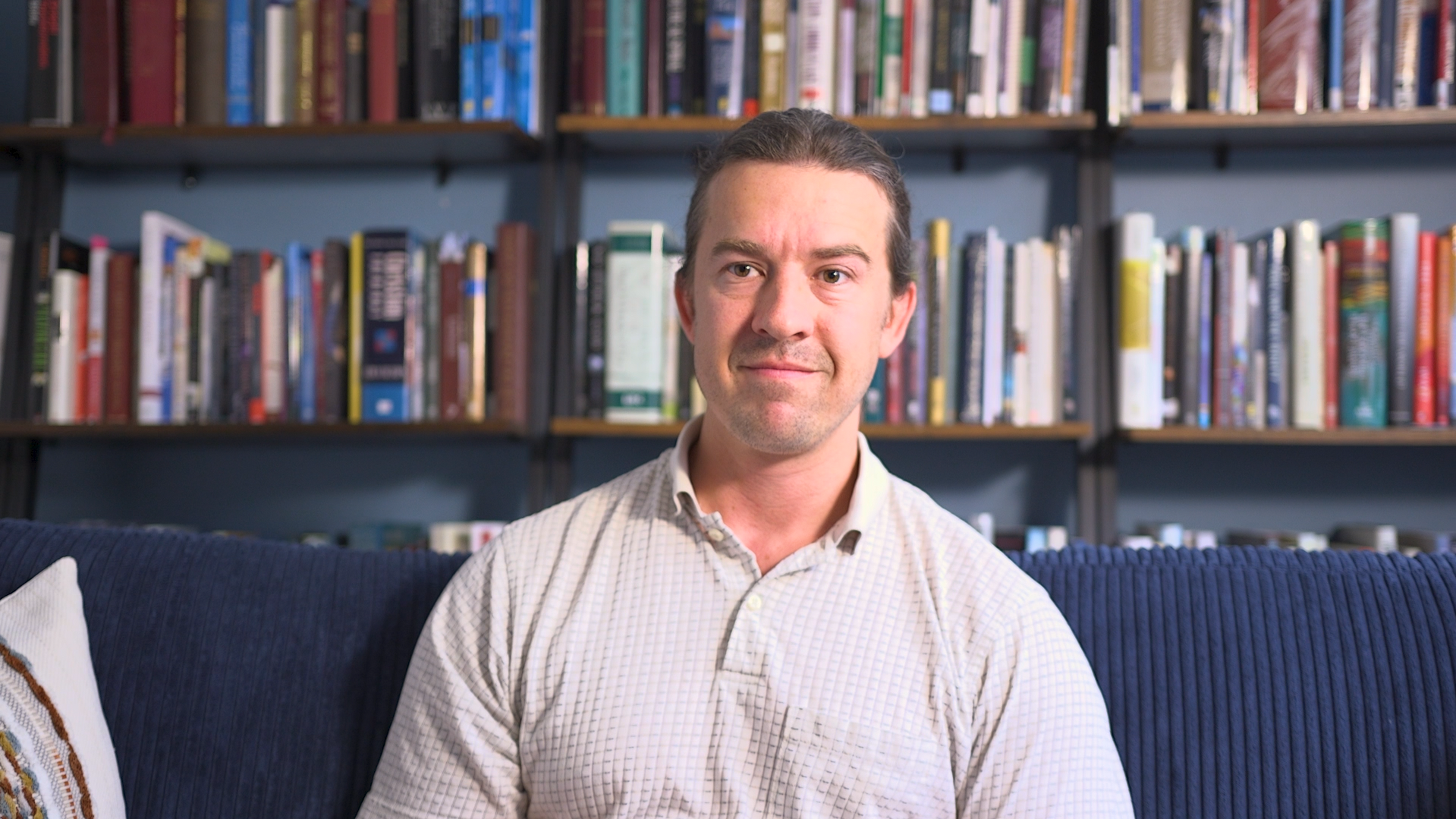
Luke Granholm
DEACON
-
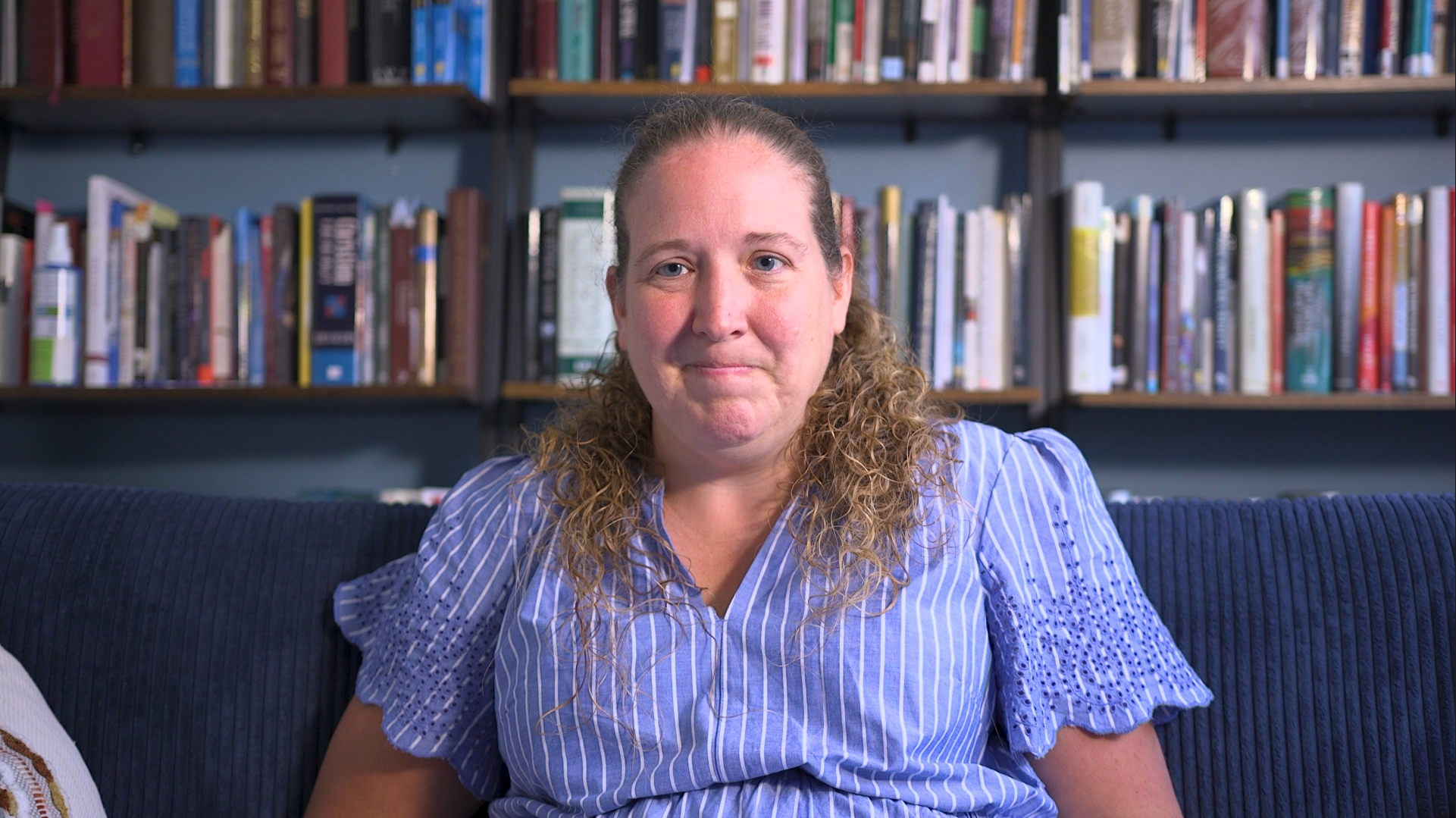
Jenny Baenziger
DEACONESS
-

Renata Jackson
WOMEN’S SHEPHERDING TEAM MEMBER
Why does the church have spiritual leaders?
When God connects us to Christ he also connects us to each other in Christ. We become part of a new family, a community “in Christ.” Scripture uses metaphors for this community like body (1 Corinthians 12), or building (Ephesians 2:19–22; 1 Peter 2:4–10), or even flock (1 Peter 5:1–4). These metaphors all entail structure, a way that the church is organized and held together, so that it can fulfill its purpose. That structure includes leaders, whether they are described as body parts, or foundation stones, or shepherds
Ephesians 4:7–16 teaches us that in order to bring the church to maturity, God gives to the church individuals who have been set apart “to prepare God’s people for works of service.” The role of pastors, elders, deacons, deaconesses, and all other leaders in the church, is to equip God’s people for ministry—maturity comes when all of us play a part.
11 It was he who gave some to be apostles, some to be prophets, some to be evangelists, and some to be pastors and teachers, 12 to prepare God's people for works of service, so that the body of Christ may be built up 13 until we all reach unity in the faith and in the knowledge of the Son of God and become mature, attaining to the whole measure of the fullness of Christ.
Hebrews 13:17 teaches that we need accountability to spiritual leaders because of the reality of sin: believers must “obey your leaders and submit to them, for they are keeping watch over your souls, as those who will have to give an account.” This command assumes that Christians have a covenant with particular leaders. They are responsible for you and you to them. Some might say, “I am accountable only to God.” Ultimately, only God has authority over you. But the doctrine of sin should sober us about making ourselves the sole judges over our own hearts: “the heart is deceitful above all things and beyond cure. Who can understand it?” (Jeremiah 17:9). We encourage each other daily not to be hardened by the deceitfulness of sin (Hebrews 3:13), and leaders have a significant role to play in that journey.
What are the ordained offices of spiritual leadership at Redeemer?
Ruling Elders
Elders are qualified men who direct the affairs of the church. They shepherd the congregation, devote themselves to prayer and the Word, and give leadership and oversight (1 Timothy 3:1–7; Titus 1:6–9). Together, the elders form the session, which sets vision, approves the budget, and provides pastoral care and accountability. We are looking for someone who is already “eldering”— displays maturity of character, sound teaching, a good household, and a good reputation, above competence or gifting alone.
Deacons
Deacons are qualified men who care for the material and practical needs of the church and community. They lead the way in mercy and justice by meeting practical needs through deeds and mobilizing others to do the same (1 Timothy 3:8–13; Acts 6:1–6). Look for men with character marked by sincerity, integrity, and a well-managed household—someone already serving practically and sacrificially.
What are the commissioned positions of spiritual leadership at Redeemer?
Ordained offices in our denomination—elder and deacon—are held by called, qualified men. We believe God both reserves the office of elder to qualified men only and he calls women into the leadership, care, and shepherding of his church. Indeed, God’s vision for his people is one of interdependence and mutuality, as men and women equally bear God’s image and thus are called to partnership in God’s mission as they use their gifts to build up the body of Christ and reflect his glory (Genesis 1:27–28).
God reserves certain activities for the ministry of ordained elders (such as authoritative teaching and formal church discipline), and he desires gifted and qualified women to serve alongside and under the session in a variety of ministry areas.
In light of the extensive ministry women are called to, it is important that spiritually mature women are visible and available to the congregation. Redeemer does this in two ways.
Deaconesses
Deaconesses are qualified women who care for the material and practical needs of the church and community. They share the same responsibilities and character qualifications as deacons (1 Timothy 3:11). They work as part of the deacon team, though—per our denomination’s polity—they are commissioned rather than ordained, and only a deacon can chair the team. Be looking for a woman whose character is marked by sincerity, integrity, and a well-managed household—someone already serving practically and sacrificially.
The Women’s Shepherding Team
The Women’s Shepherding Team is made of qualified women who help shepherd and care for the congregation. These women partner with the elders in shepherding the congregation—especially with severe care needs that are beyond the capacity of community group leaders. Their broader ministry can include discipleship, counseling, prayer, teaching, hospitality, worship, advocacy, and advice (following the example of Priscilla, Acts 18:26). We are looking for women of wisdom and spiritual maturity, with a track record of caring well for others—someone the congregation already turns to.
What should you look for in people to nominate for spiritual leadership?
Across every role, three things matter most:
Maturity in Christian character — gospel confidence, spiritual disciplines, relational wisdom.
Ministry and leadership patterns — already discipling, serving, teaching, or leading others.
Commitment to Redeemer's mission and values — heart for the city, aligned theological convictions.
NOTE: Nominating someone simply begins a process of prayer, discernment, and training—no one needs to be fully ready yet. Candidates are trained, mentored, and examined by the session before being presented to the congregation.